A Seat With a View: Ten Strangers on the Fine Art of Sitting Alone in Public
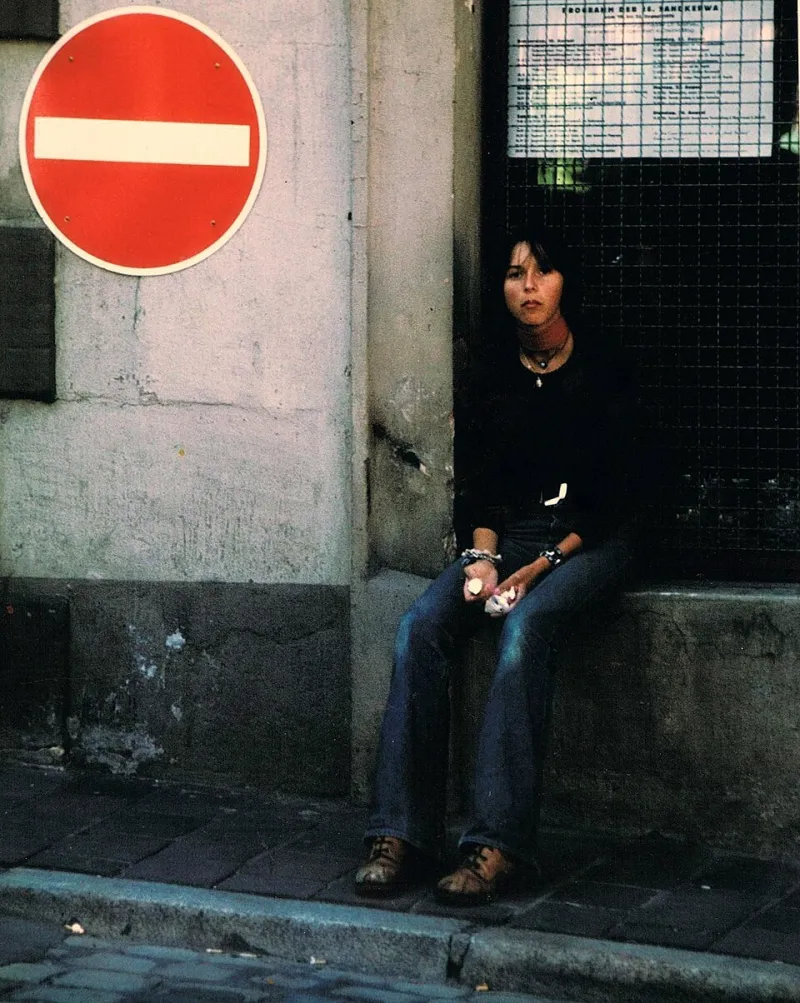
Photo: Stiller Beobachter from Ansbach, Germany, CC BY 2.0, via Wikimedia Commons
The first bench I sat on was in a park in Sheffield, on a Tuesday morning in late October, and the man beside me had been there for forty minutes. I know this because he told me, unprompted, within about ninety seconds of me sitting down. "Forty minutes," he said, not looking at me. "That's my limit. After forty minutes I start feeling like I should be doing something."
He was eating a sausage roll from a paper bag, very slowly, as if rationing it. He had a walking stick propped against his knee and a supermarket carrier bag at his feet. He was, by his own description, "not really doing anything." And yet he was doing something — he was watching a woman in a red coat attempt to teach a cocker spaniel not to chase pigeons. We both were. It was, frankly, the best television I'd seen all week.
This is the thing about benches. They are the only public furniture in Britain that genuinely asks nothing of you. You don't have to buy anything, like in a café. You don't have to be going anywhere, like on a train platform. You just sit. And in a country that is deeply suspicious of sitting still, that makes the bench a quietly radical piece of infrastructure.
I decided to spend a fortnight finding out what people actually think about while they're sitting on them. Ten strangers, ten benches, from Carlisle to Brighton. No recordings, no clipboards — just a notebook and the opening line: "Sorry to bother you — I'm writing something about benches. Mind if I sit?"
Almost nobody said no.
The Watchers
There is a particular breed of bench-sitter who is there to look at things, and they are usually the most contented people I spoke to.
"I'm not thinking about anything," said a woman in her seventies in a seaside town in East Sussex, who had a flask of tea and a folded copy of the Daily Mail she never opened. "That's the point. My husband thinks I'm mad. He says, what do you do down there? And I say, I watch the sea. And he says, it's the same sea. And I say, that's exactly it."
A man in his thirties in a Birmingham park told me he comes to the same bench every lunchtime to watch the ducks. "I work in insurance," he said. "I spend all day looking at numbers that mean nothing. Then I come here and watch a duck do a poo and everybody laughs. It's a palate cleanser."
And then there was the retired bus driver in Carlisle, who had a very specific routine: he sits on the same bench every morning at half nine, and he counts the buses that go past. "Eighteen," he said. "That's the record. Eighteen buses in an hour. I don't know why I do it. It's just something to do that isn't anything."
The Rememberers
Some benches are less about the view and more about the company you're not keeping.
A woman in her fifties in a leafy square in Bristol told me she sits on the same bench her late mother used to sit on, every Sunday, for twenty minutes. "I don't talk to her," she said. "I'm not one of those people. I just sit. And sometimes I think about the arguments we had. And then I think about how much I'd give for another one."
A man in his eighties in a park in Leeds was more matter-of-fact. "My wife died four years ago," he said. "We used to come here every Saturday. I still come. It's not sad. It's just what I do on a Saturday." He paused. "The bench is a bit hard on the back, mind. They've changed the slats. Not as good as the old ones."
The Escapers
The most common reason people gave me for sitting on a bench alone was that they were avoiding something. A phone call. A conversation. A supermarket. Their own kitchen.
"I'm hiding from my flatmate," said a woman in her late twenties in a park in Manchester, eating a bag of crisps with real dedication. "He's lovely. But he's been made redundant and he's home all day now, and he just... hovers." She looked at me. "You know?"
I did know.
A man in his forties in a London square told me he sits on the same bench every day after work, for exactly ten minutes, before going home to his family. "It's not that I don't want to see them," he said, slightly defensive. "It's that I need ten minutes where nobody needs anything from me. Not a snack. Not a poo. Not a sock. Nothing."
And then there was the teenager in Cardiff, hood up, headphones in, who took one earbud out to tell me: "I'm not avoiding anything. I just like it here. My house is loud. This is quiet." She put the earbud back in. The conversation was, fairly, over.
The Etiquette Nobody Taught Us
What surprised me most wasn't what people said. It was the choreography of it all. The unspoken rules.
You don't sit right next to someone if there's a whole bench free — that's obvious. But there's also the bag rule: if someone has a bag on the seat next to them, you don't ask them to move it unless the bench is otherwise full. You hover, slightly, until they notice, and then they do the apologetic shuffle. There's the nod — the small, downward nod that says I am acknowledging your existence but not inviting conversation. There's the phone rule: if someone is on their phone, they are unavailable. If they're just looking at the view, they might be available.
And there's the leaving rule. You don't say goodbye. You just get up. Maybe a small smile, maybe not. The bench goes back to being a bench.
"It's the last place you can be alone without anyone thinking you're weird," the insurance man in Birmingham told me. "You can't stand in the street. You can't sit on a wall. People think you're up to something. But a bench? A bench is fine. A bench says: I am a person, sitting, in a normal way."
He was right. The bench is a small, civic mercy. It asks nothing, it charges nothing, and it makes room for everyone: the grieving, the hiding, the bored, the watching, the just-a-bit-tired. Ten strangers told me what they think about while they sit alone. Most of them, it turns out, think about very little. And that, in 2026, is a luxury worth protecting.