Fifty-Two Seats and a Kettle: A Friday Night at Britain’s Littlest Cinema
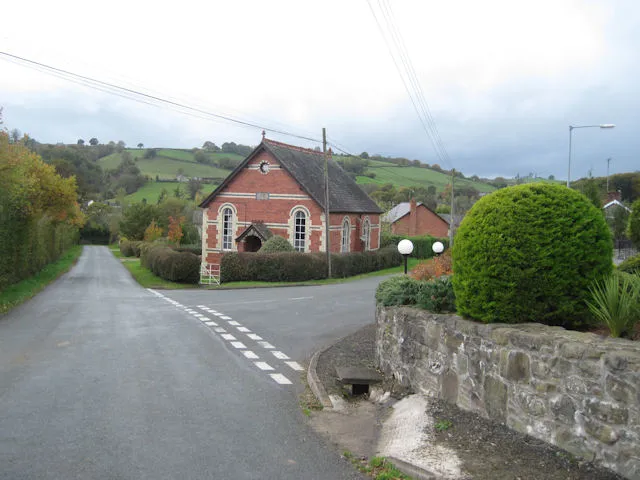
Photo: John Firth , CC BY-SA 2.0, via Wikimedia Commons
On a wet Friday in November, the Lantern Cinema smells of popcorn, radiator dust and something faintly ecclesiastical. That last note is not a metaphor. The building was a chapel until 1978, and the volunteer on the door will tell you — before she takes your six pounds — that the old hymn board is still screwed to the wall behind the screen.
The Lantern has 52 seats. Not 52 “comfortable” seats and a few beanbags. Fifty-two, full stop. There is a box office in the porch, a kettle in the vestry and a hand-painted sign outside that has been touched up so many times the letters look slightly bruised. In 2026, when a multiplex ticket can cost more than a takeaway and the sofa at home comes with every streaming service known to humanity, this place should not work. And yet, on a Friday night, it is nearly full.
The chapel with a box office in the porch
Inside, the old pews have gone, replaced by red velvet seats salvaged from an Odeon that closed in the 1990s. The screen is not huge. The sound is not Dolby. But the room has a quality that no cinema chain has managed to bottle: it feels like someone’s living room, if your living room had a projector and a raffle.
Margaret is on tickets. She has volunteered here for eleven years and speaks about the cinema the way you might speak about a relative who is brilliant but slightly unreliable. “People think we’re a museum piece,” she says, counting change into a small metal tin. “We’re not. We’re a Friday night. We’re the reason some people in this town have somewhere to go that isn’t a pub or a supermarket.”
The audience is a mix. There are teenagers who have come because it is cheap. There are couples in their seventies who have come because they always do. There is a man on his own with a folded copy of the local paper and a bag of own-brand Maltesers. Nobody is checking their phone, partly because the signal is terrible and partly because Margaret will give you a look.
Selling tickets, threading film, keeping the heating on
The volunteer rota is a small miracle of modern life. Tonight’s team includes a nurse, a delivery driver, a retired teacher and a sixth-former called Aisha who is learning the box office system. Nobody is paid. Nobody is off the hook.
Dev is the projectionist. He is 34, works in IT during the week and spends his Friday evenings threading the cinema’s 16mm projector for the late screening. The main digital projector is reliable; the 16mm is not. “It’s temperamental,” he says, adjusting a reel with the careful irritation of someone who has done this before. “So am I. We get on.”
The 16mm nights are the busiest, which tells you something about the audience. They are not just here for the film. They are here for the fact that someone is doing it in front of them. When the reel changes, there is a small mechanical clatter and the whole room seems to lean forward. It is the opposite of seamless. It is better.
Tom, who looks after the building, explains the economics with a shrug. “The heating is the real box office,” he says. “We had a quote for a new boiler in 2024 and I’m still recovering.” The cinema runs on ticket sales, a small grant, membership fees and the profits from an interval raffle that has, on more than one occasion, funded a new kettle. The roof has been patched. The seats have been re-covered. The sign has been repainted. Small acts of stubbornness, repeated.
“It’s not nostalgia — it’s a night out”
Rosa programmes the films. She is 41, teaches English at a secondary school and has a knack for putting together a season that shouldn’t make sense but does: a Powell and Pressburger double bill, a new Romanian documentary, a half-term matinee of a film that most of the children have never heard of. “We programme for the street, not the algorithm,” she says. “That means we ask people what they want to see. It also means we sometimes get it wrong. You learn to live with that.”
I ask her about the word “community”. It is a word that gets used a lot in funding applications and very little in actual rooms. Rosa thinks for a moment. “It means the same twelve people turn up to put the chairs out,” she says. “It means you know who’s been ill. It means a teenager can come on their own and nobody makes it weird. The film is the excuse. The room is the point.”
That feels right. The Lantern is not a heritage attraction. It is a place where people sit next to each other in the dark and then stand in the porch afterwards, talking about the film, the weather, the state of the buses. In 2026, that is not nostalgia. That is infrastructure.
What fifty-two seats can do
By 9.30pm, the film is over and the volunteers are stacking glasses. Margaret is counting the takings. Dev is winding a reel back onto its spool. Aisha is learning how to lock up. Outside, the rain has stopped and the hand-painted sign is lit by a streetlamp.
The Lantern will never be the biggest cinema in Britain. It might not even be the smallest, depending on how you measure these things. But it is one of the few places left where the person selling you a ticket also knows your name, where the projector is threaded by someone who is not being paid to be there, and where a full house of 52 people feels like an event.
“We’re not trying to save cinema,” says Margaret, pulling on her coat. “We’re trying to keep the lights on. There’s a difference.”
If you have a local picture house run by volunteers, buy a ticket. Buy two. Take someone who has never been. The popcorn is not great. The seats are a bit lumpy. The tea is strong. It is, in other words, exactly what a night at the pictures should be.